PointsCrowd is a community-supported platform. When you apply for a credit card, make an order, or otherwise interact with the advertisers through the links on this page we may earn an affiliate commission. This helps us maintain and develop the platform further at no cost to you.
Hyatt has made the biggest structural change to World of Hyatt award pricing in years. Starting May 20, 2026, the program keeps its published award chart and eight hotel categories, but expands from three pricing bands to five: Lowest, Low, Moderate, Upper, and Top. Hyatt says this is meant to preserve chart-based pricing while giving the program more flexibility to manage demand without constant category reshuffles.
What exactly changed
The biggest change is the move from off-peak / standard / peak pricing to five bands within each category. Hyatt’s official announcement says the company is keeping fixed point thresholds and is not moving to full dynamic pricing, but it is adding two new higher bands, Upper and Top, and one new lower band, Lowest. Hyatt also says the rollout in 2026 will be gradual, with only a limited number of hotels and nights moving into Upper and Top at first.
Under the new structure, Category 1 runs from 3,000 to 9,000 points, while Category 8 runs from 35,000 to 75,000 points. That means the cheapest redemptions at the low end can get a little cheaper, but the most expensive nights get dramatically more expensive. For example, Category 8 top pricing rises to 75,000 points, up from the previous peak price of 45,000, a jump of about 67%.
The new hotel award chart
Here is the standard-room hotel chart or bookings from May 20, 2026 onward:
| Category | Lowest | Low | Moderate | Upper | Top |
|---|---|---|---|---|---|
| 1 | 3,000 | 4,500 | 6,000 | 7,500 | 9,000 |
| 2 | 6,000 | 7,500 | 10,000 | 12,000 | 15,000 |
| 3 | 8,000 | 12,000 | 15,000 | 17,500 | 20,000 |
| 4 | 12,000 | 15,000 | 20,000 | 22,500 | 25,000 |
| 5 | 15,000 | 20,000 | 25,000 | 30,000 | 35,000 |
| 6 | 20,000 | 25,000 | 30,000 | 35,000 | 40,000 |
| 7 | 25,000 | 30,000 | 35,000 | 45,000 | 55,000 |
| 8 | 35,000 | 45,000 | 55,000 | 65,000 | 75,000 |
Hyatt is giving the same broader treatment to all-inclusive award charts, Miraval, and other Hyatt award types, not just regular hotel nights.

Why Hyatt says it made the change
Hyatt’s official line is that the change is about preserving transparency and long-term stability. Hyatt says the added pricing bands should reduce the need for broad category jumps in the future and let the program match demand more precisely while still keeping a published award chart. Hyatt also emphasized that it had gone about five years without a major structural update to the chart.
That explanation is plausible, but it does not erase the member impact. The practical issue is that a chart can remain “published” and still become much more expensive and less predictable in real use. Hyatt is still using a chart, but the wider range inside each category makes the program behave more like dynamic pricing than before.
Why many travelers see this as a devaluation
Most members are not redeeming only on the absolute cheapest nights. If you compare old standard or peak prices to the new Moderate, Upper, or Top levels, the numbers move up fast.
Some low-category, off-season stays may become cheaper, but most members booking at normal or busy times will probably pay more. It also notes that the widest pain will likely be felt at luxury and all-inclusive properties, where points requirements were already high before the new top band was added.
The second major change: category reshuffles on the same date
The chart itself is only half the story. On the same day the new five-tier chart launches, Hyatt is also doing its annual category realignment. 136 properties are changing categories on May 20, 2026, with 112 moving up and only 24 moving down.
This matters because the two changes stack. A hotel can move up a category and then also have more expensive high-demand pricing within that new category. That is why this update feels larger than a normal “some hotels go up, some go down” year. The chart itself gets looser, and the annual category review is also net-negative.
The most important deadline
The key date is May 20, 2026. The award chart updates take effect that day. Reservations booked before 8 a.m. Central Time on May 20 will price under the old structure, even if the stay happens later. It also notes that members with reservations at properties moving down in category may receive a one-time points refund if the booking was made before the change and the stay occurs after the new pricing begins.
That means the strategy is straightforward: if you are thinking about a Hyatt redemption at a property that is moving up in category or one that is likely to land in Upper or Top pricing on your dates, book it before the change if award space is available.
Who gets hurt the most
Luxury travelers are the clearest losers. A Category 8 hotel that used to top out at 45,000 points can now hit 75,000. That is not a cosmetic change. It is the kind of shift that can turn a four-night aspirational stay from “achievable” to “not worth it” for many members. High-end hotels like Park Hyatt Kyoto and other top-tier redemptions as examples of where the pain will be most visible.
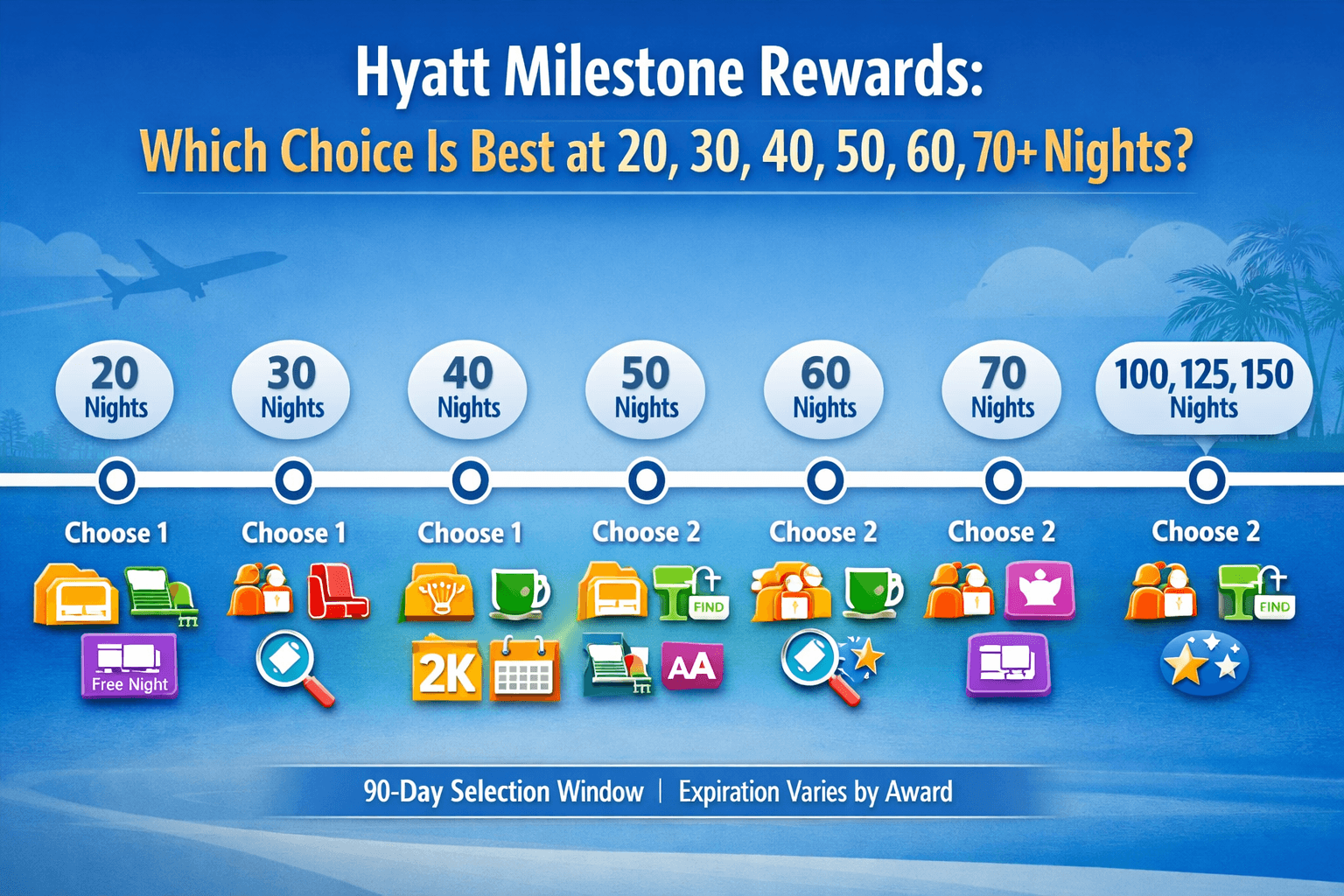
Travelers who rely on Hyatt’s annual Category 1–4 free night certificates should also pay close attention to the category moves. Upgraded Points flags which hotels are moving above Category 4 and therefore becoming ineligible for those certificates. That can quietly reduce the usefulness of the World of Hyatt credit card and milestone rewards in some destinations.
Who could still come out ahead?
There are still a few bright spots. Lower-category hotels can get cheaper on the new Lowest tier, and some properties are moving down in category. If you mostly redeem at Category 1–3 hotels, travel off-season, and care more about efficient road-trip or airport-hotel redemptions than headline luxury resorts, you may still find good value. Some nights at lower categories will be 500 to 1,000 points cheaper than today.
But that is the narrower use case. The broader takeaway from the major coverage is that Hyatt remains the most chart-driven and transparent major hotel program, yet still managed to introduce a devaluation that will be felt most strongly by the members who cared most about Hyatt’s aspirational sweet spots.
How does this change the booking strategy?
The old Hyatt playbook rewarded patience and predictability. If you knew a hotel’s category, you roughly knew the range you were dealing with. Now, even though Hyatt still publishes a chart, the spread within a category is much wider. Category 8 now spans 35,000 to 75,000 points. That means category alone tells you a lot less than before.
Going forward, members will need to behave a little more like airline award searchers:
- check exact dates more often,
- compare multiple nights inside the same stay,
- and book sooner when they find a tolerable rate at a property they actually want.
That is still not fully dynamic pricing, but it is a clear move in that direction from a user-experience perspective.
Bottom line
Hyatt’s recent reward chart changes are significant. The program is not abandoning charts, but it is moving from three pricing bands to five on May 20, 2026, and the upper end of the new chart is much more expensive than before. At the same time, 136 hotels are changing categories, with 112 moving up and only 24 moving down. For many members, especially those who redeem at premium resorts or high-demand city hotels, this is a real devaluation even if Hyatt’s official language emphasizes transparency and long-term stability.
The practical move is simple: check your planned Hyatt stays now. If a property is moving up in category or likely to price higher under the new five-band chart, book before May 20, 2026 if you can. Hyatt still offers more structure than most competitors, but that structure just got a lot more expensive at the top.